Saturday, May 28, 2011
Tuesday, May 24, 2011
Top 10 Energy Sources that are Renewable
Energy is an inevitable requirement where we want development to take place. Many naturally occurring phenomenons contribute to producing this energy without damaging the environment. They are called renewable energy sources and they help to avoid pollution; both in urban and inaccessible locations on large and small scales. They form a sort of cycle without the deduction of any resource to generate the energy.
10. Tidal Power
The tidal power is not a very popular energy source, but has immense potential of becoming one in the near future. Tidal stream generators and barrage generation make use of tidal power. It is Eco-friendly and does not harm the environment at all. It follows the same principle as wind turbines, but instead of air, the generators rotate in water. Unlike wind and solar energy, tides can be predicted. Since time immemorial, tide mills have been driven directly from the relative motions of the Earth–Moon system and to a lesser extent from the Earth–Sun system. Lunar Energy, a British company was the first to establish a tidal farm in the coast of Pembrokshire in Wales, providing electricity to thousands of houses.
9. Wave Power
Predicting the direction of ocean and wave is a very difficult job, but is not impossible. Wave power is the transport of energy by ocean surface waves, and the capture of that energy for pumping or desalinating water and generating electricity. In Europe, wave farms have been introduced, using floating Pelamis Wave Energy converters. They use a floating buoyed device and generate energy through a snaking motion, or by mechanical movement from the wave’s peaks and troughs. Wave power is not the same as the diurnal flux of tidal power and the steady gyre of ocean currents, although it is confused to be so often. We have been pursuing this technology since 1890 and the world’s first commercial wave farm is based in Portugal, at the Aguçadora Wave Park, which consists of three 750 kilowatt Pelamis devices.
8. Solar Power
Producing electricity by making use of the sun’s energy and the photovoltaic (PV) cells is called the Solar Technology. Solar cells are becoming more efficient, transportable and even flexible, allowing for easy installation. Let it be a calculator powered by a single solar cell or off-grid homes powered by photovoltaic disarray; PV can power applications of all sizes. The 1973 oil crisis stimulated a rapid rise in the production of PV during the 1970s and early 1980s. Steadily falling oil prices during the early 1980s, however, led to a reduction in funding for photovoltaic R&D and a discontinuation of the tax credits associated with the Energy Tax Act of 1978. These factors moderated growth to approximately 15% per year from 1984 through 1996. Since the mid-1990s, leadership in the PV sector has shifted from the US to Japan and Germany.
Saturday, May 21, 2011
Tuesday, May 17, 2011
Top 10 Most Beautiful Cars In The World
1. Alfa Romeo 8C Spider
MSRP: 301,600 U.S. dollars
2. Aston Martin Rapide
MSRP: 197,850 U.S. dollars
3. Bentley Mulsanne
MSRP: 285,000 U.S. dollars
4. Dodge Challenger SRT8
MSRP: 43,680 U.S. dollars
Read more... Read more!
Friday, May 13, 2011
The World's Biggest Gold Reserves
With the price of gold reaching an all-time high of over $1,050 per ounce, resourceINTELLIGENCE TV have taken the (not very novel) approach of looking at countries with the largest gold reserves
The question remains: which individual countries have the most gold?
Percentage of Reserves: 36.1%
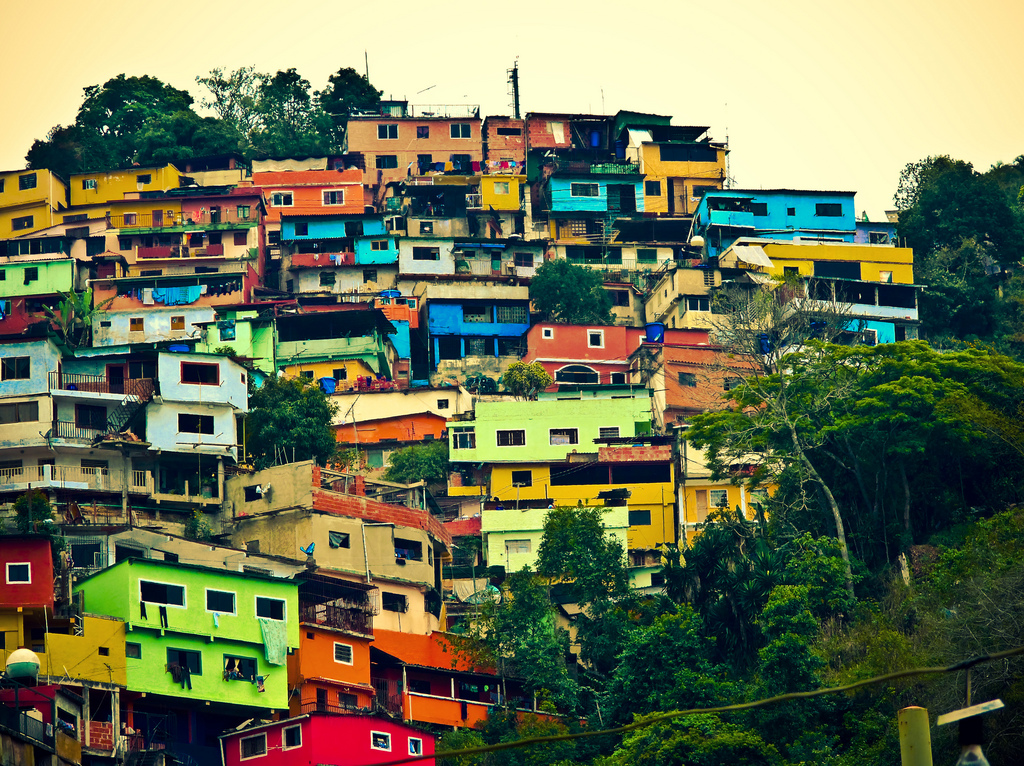
Banco Central de Venezuela manages the 356.4 tonnes of gold in the country’s reserves, which amount to approximately $13.2 billion and represent 36.1% of Venezuela’s foreign reserves. Although Venezuela currently has the fifteenth largest reserve on the list, president Hugo Chavez announced in June 2009 that his government has introduced new policies to promote gold extraction and boost its ranking. His track record for efficiency, however, only excels in nationalizing projects.
Percentage of Reserves: 4.0%
Gold Reserve Value: $13.2 billion
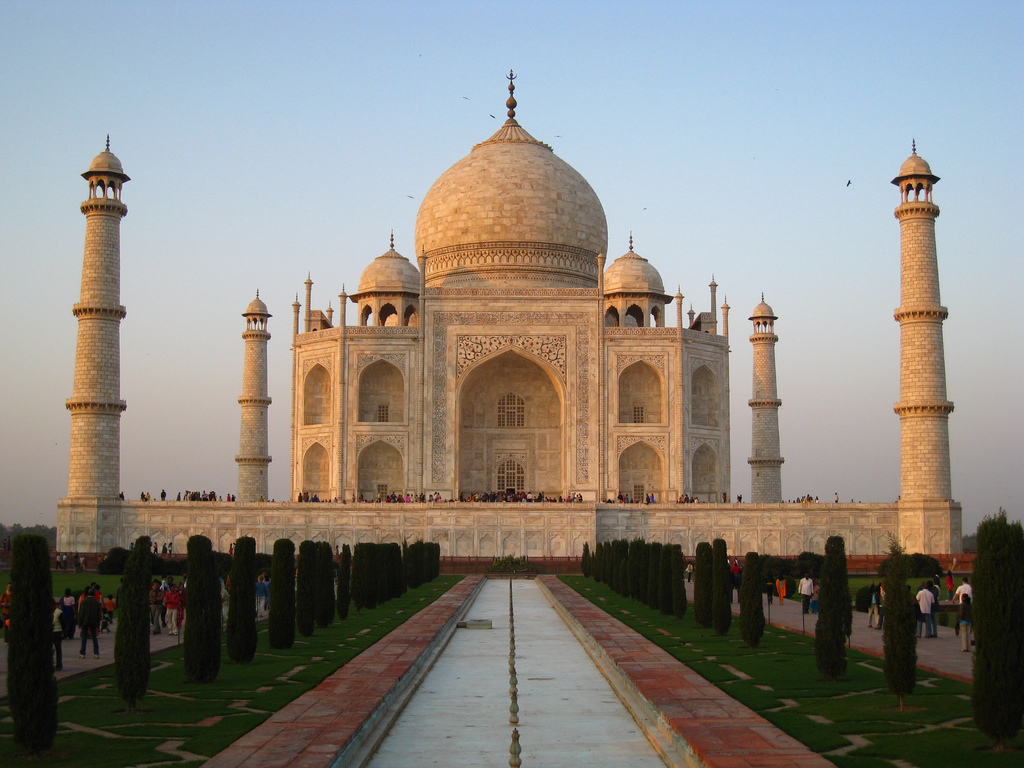
The second most populous nation in the world has the fourteenth largest reserves on the World Gold Council’s. The Reserve Bank of India maintains the country’s 357.7 tonnes of gold, which are valued at $14.2 billion and comprise 4.0% of its foreign reserves. India’s current ranking may improve, however, as the government has asked the Geological Survey of India to mine the previously untapped gold reserves in many of its states.
Percentage of Reserves: 90.9%
Gold Reserve Value: $14.2 billion
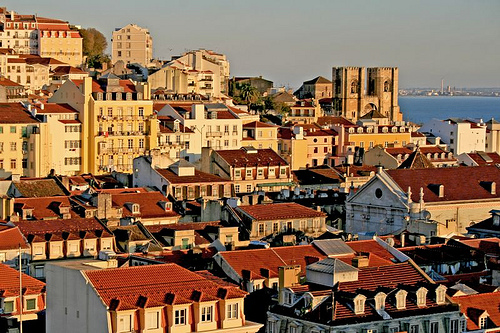
The birthplace of the sweet fortified wine known as Porto is home to the thirteenth largest gold reserve in the world. At 382.5 tonnes , Portugal’s holdings are overseen by Banco de Portugal and are worth roughly $14.2 billion, accounting for 90.9 percent of the country’s foreign reserves.
Percentage of Reserves: 3.9%
Gold Reserve Value: $15.7 billion
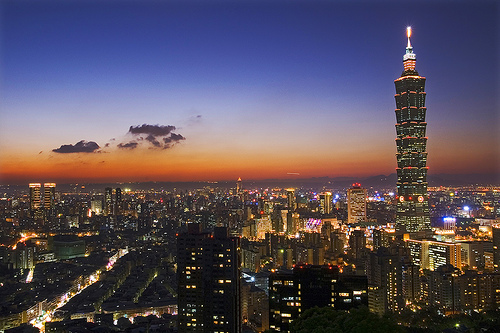
Renowned for its technology industry and robust economic growth, Taiwan also boasts the tallest building in the world (The Taipei 101 Tower) and the twelfth largest gold reserve in the world. The island nation’s foreign reserves have been reported at 423.6 tonnes. At today’s prices these holdings are worth $15.7 billion and comprise 3.9 percent of the country’s foreign reserves.
Friday, February 4, 2011
Wednesday, November 24, 2010
Collection of Photos Taken in the Right Moment
This is the biggest collection of photos taken in the right moment. In the last couple of month many different galleries has shown on the web. Here you will find all that photos in one gallery. Enjoy
Thursday, February 18, 2010
20 Most Incredible Desert Oases [pics]
The yellow sand dunes stretch to infinity, whilst the scorching sun of the Sahel beats down on your head. You’re tired and you’re thirsty – you’ve been travelling for miles, searching for water. Yet nonetheless you are cautious: nothing is as it seems in this land of smokescreens and mirrors. “Water! Water!” you begin to scream. No… even imagination is playing tricks on you. But what if in the distance, past the undulating sand dunes, lay the waters of sand-locked lagoons and waterfalls surrounded by palm trees?
It is this vision of utopia, surrounded by barren wasteland that inspired us to catalogue some of the most incredible desert oases before they are devoured by the desert sands and become mirages themselves.
1. Ubari Lakes are part of Erg Awbari Oasis in the Sahara. Located near Fezzan and 30kms north of Germa in Libya, these salt water lakes are a central trading point for many locals, who gather at the edges of the lake selling souvenirs and other goods.
Read more... Read more!